
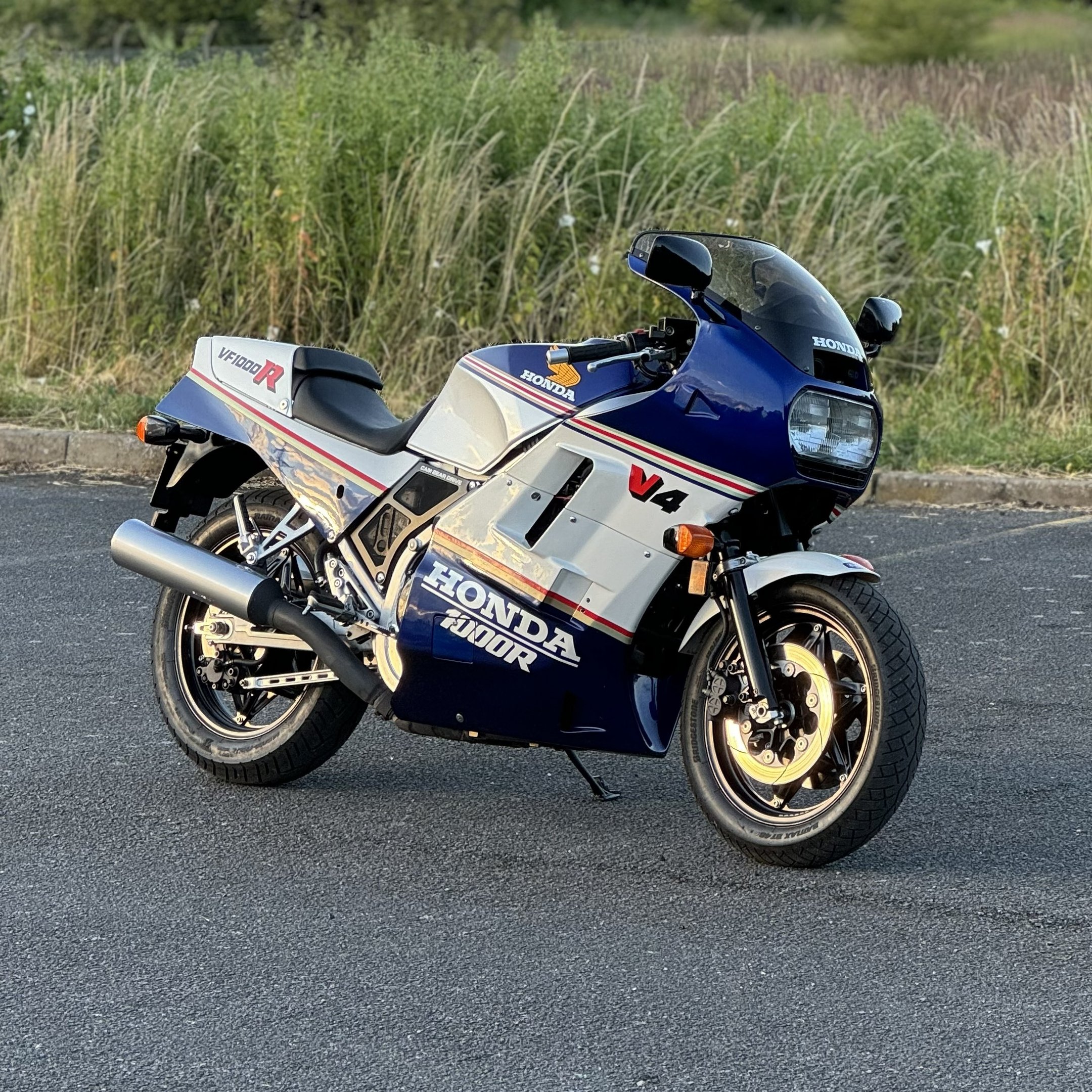
Derek's classic Honda VF1000R: when manufacturers weren’t afraid to build something bold and uncompromising
BIKE STORY
Derek → 8 Jun 2024
Introduction
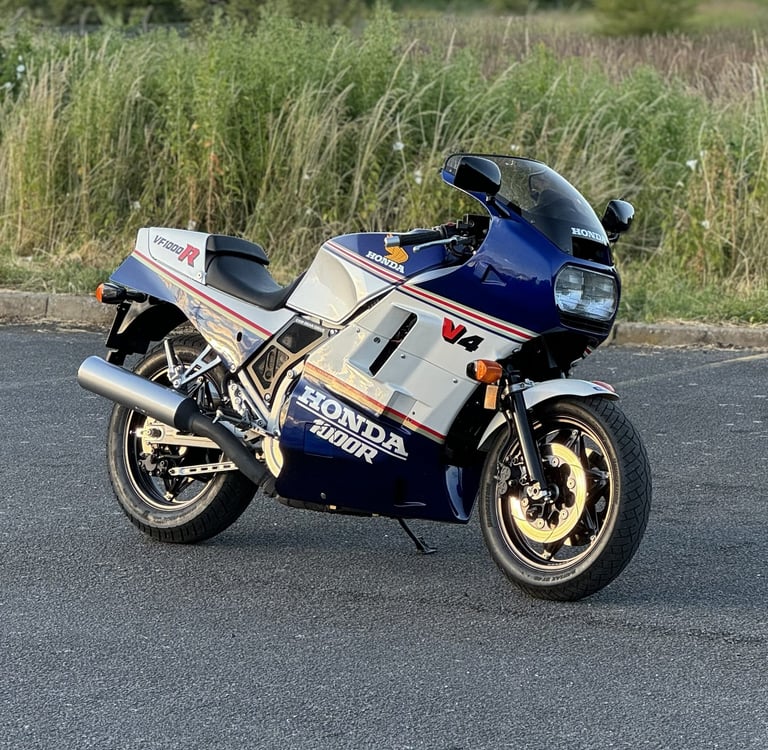
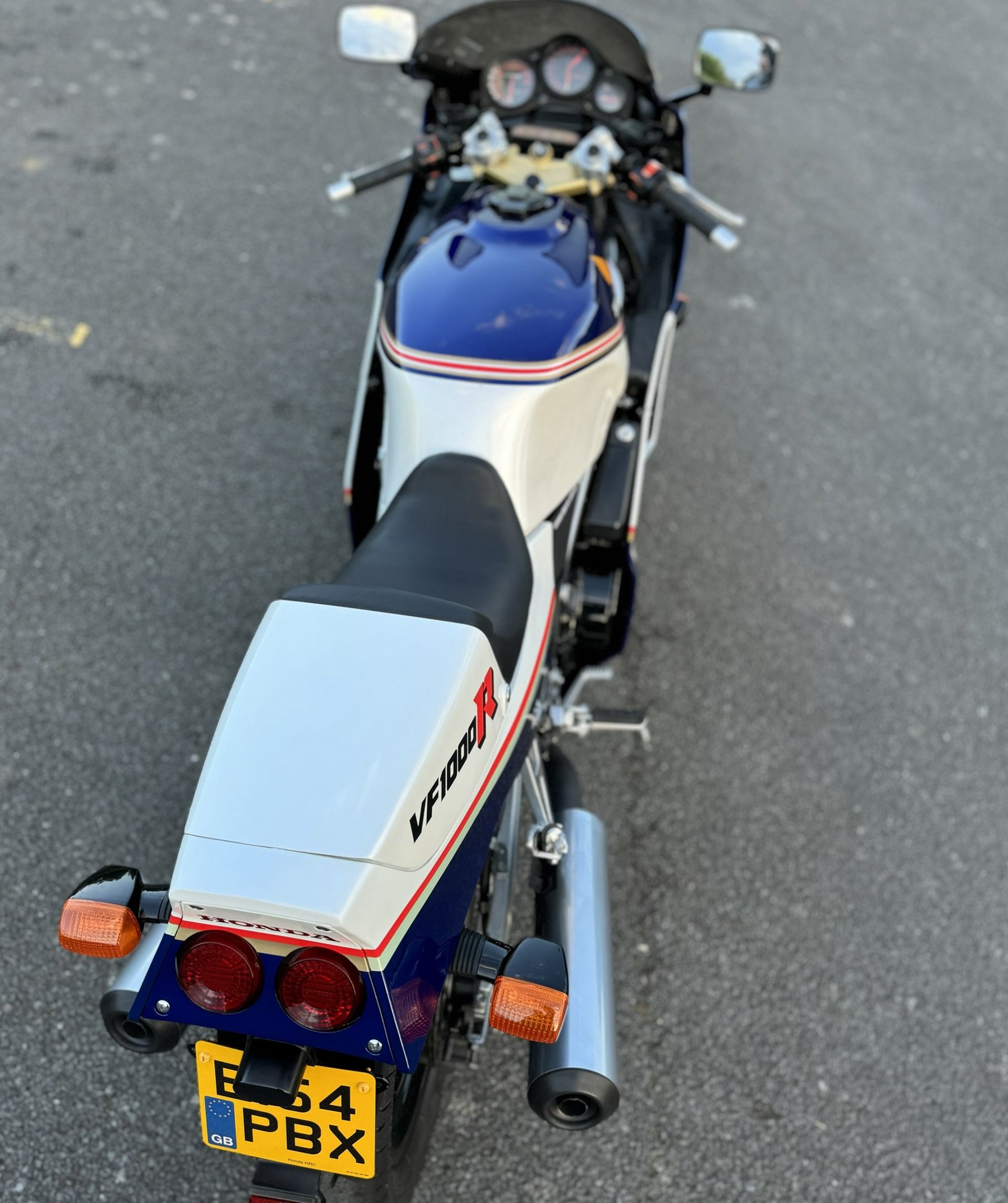
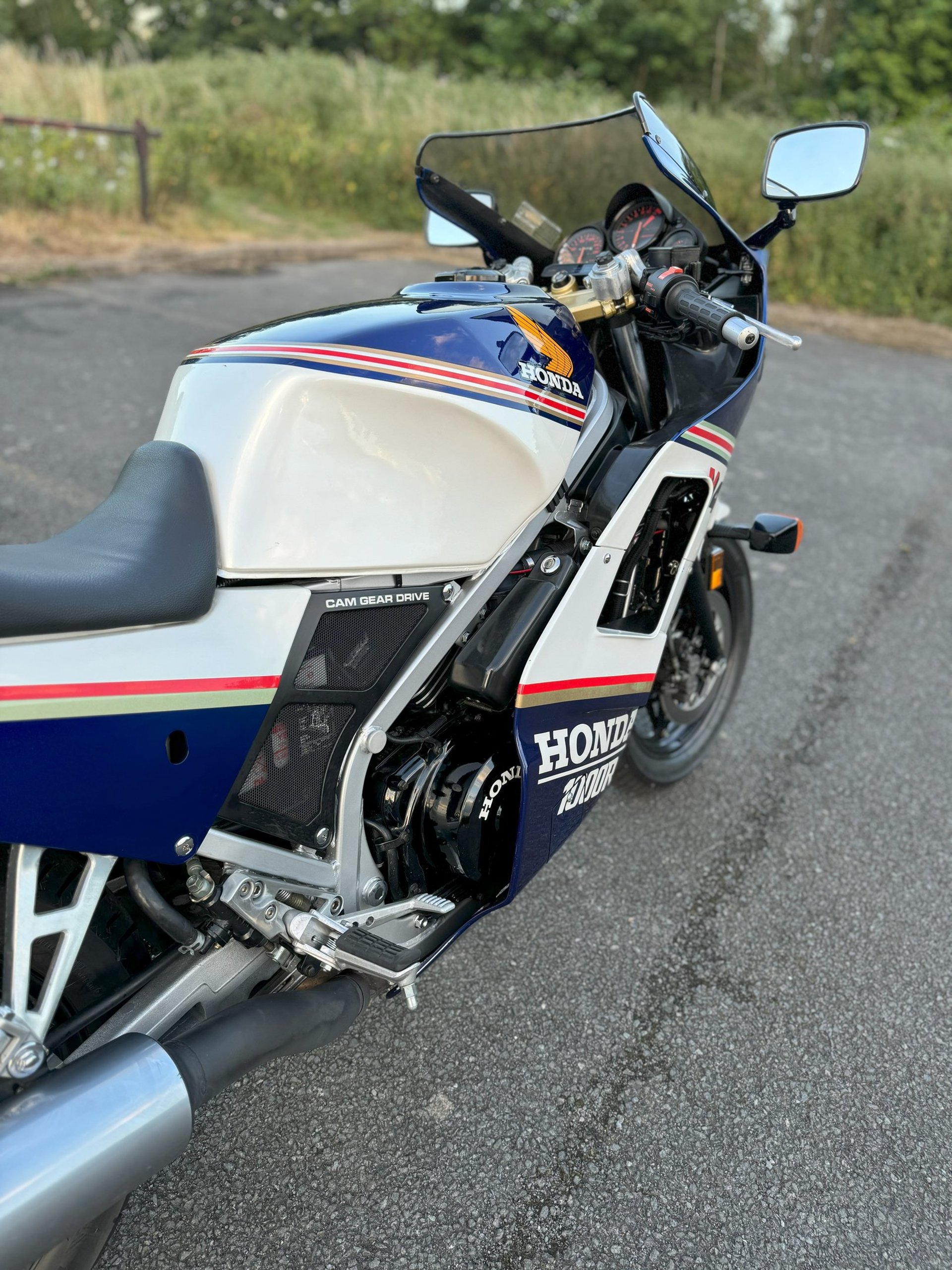
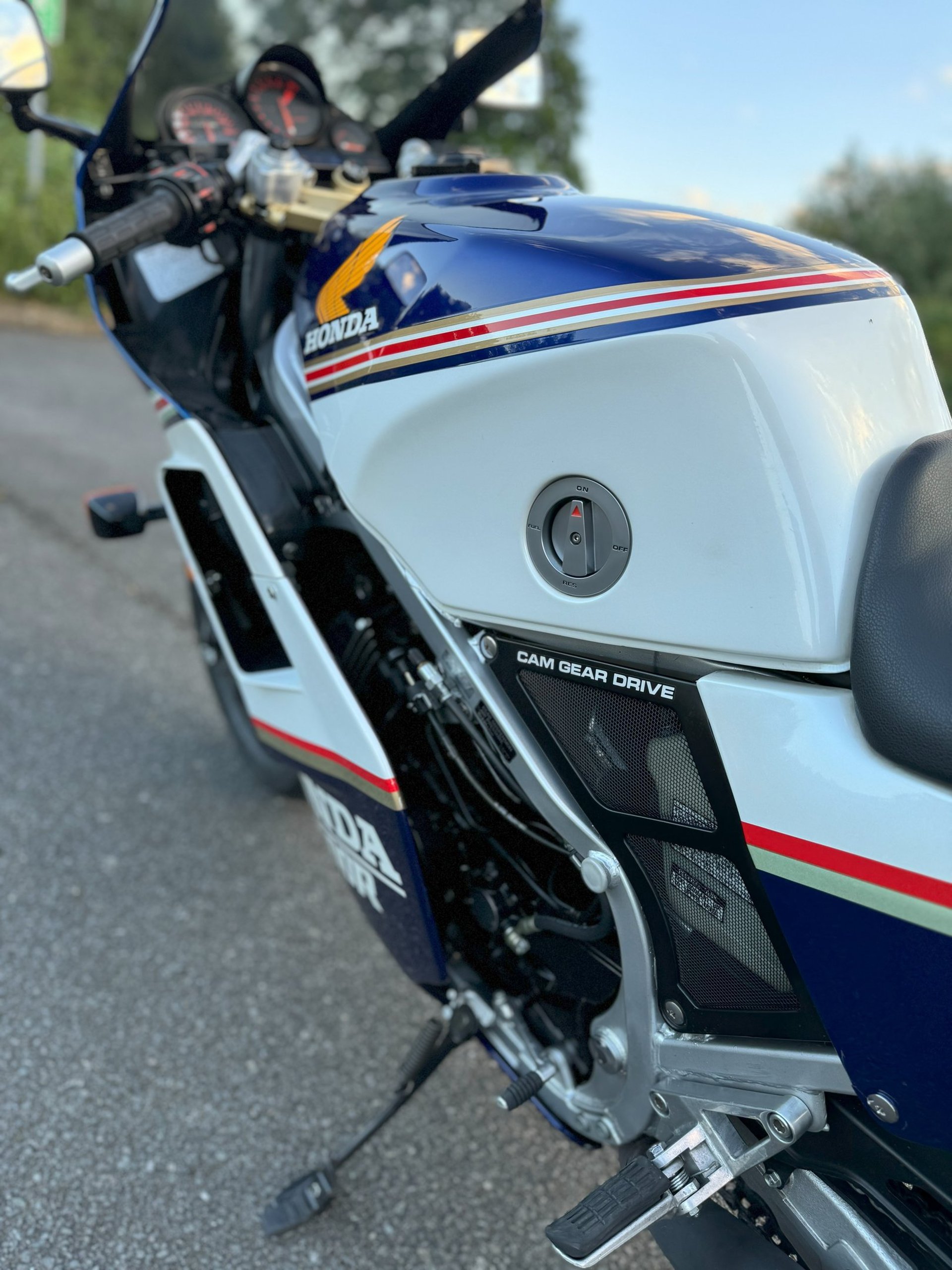
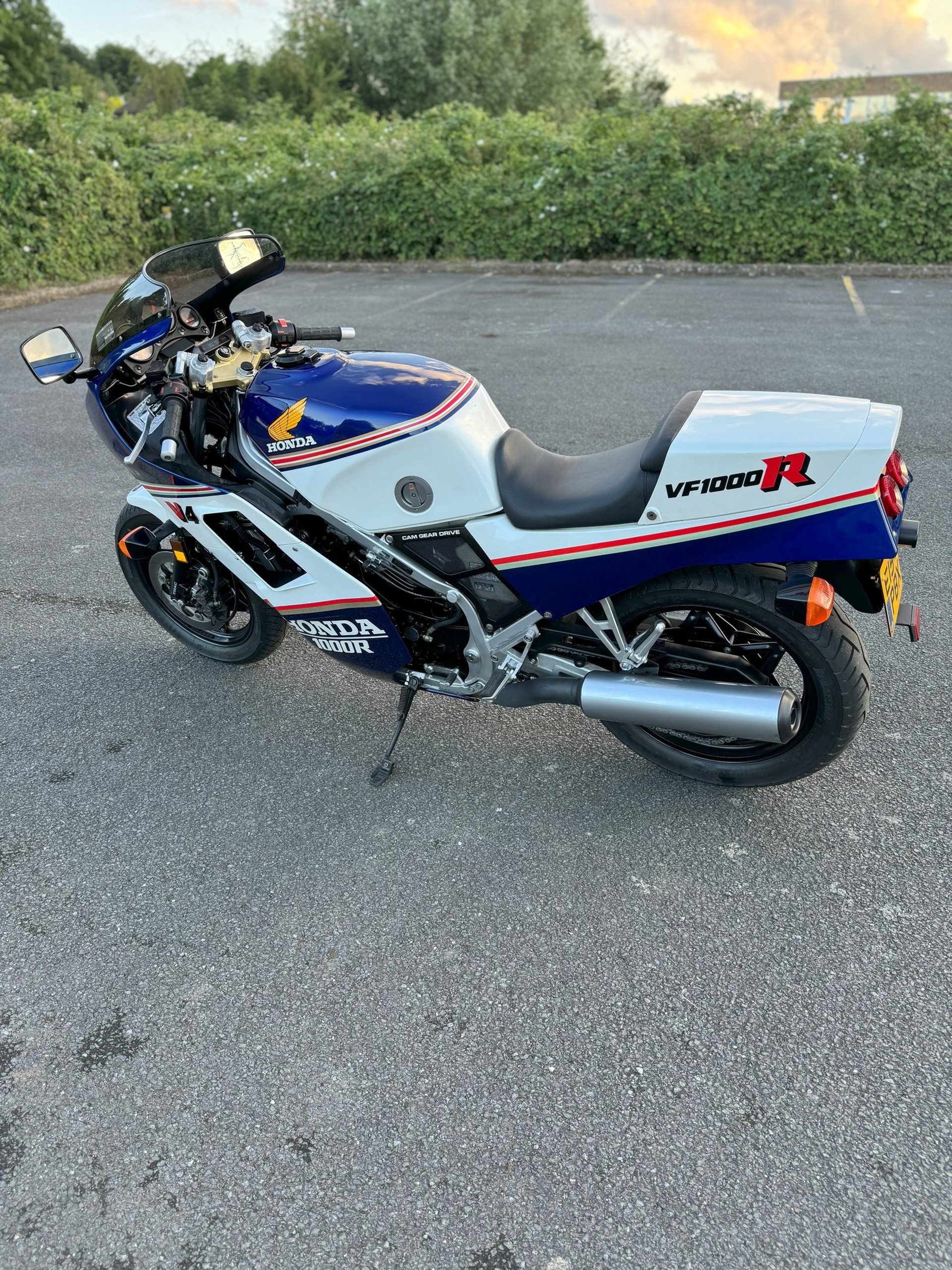
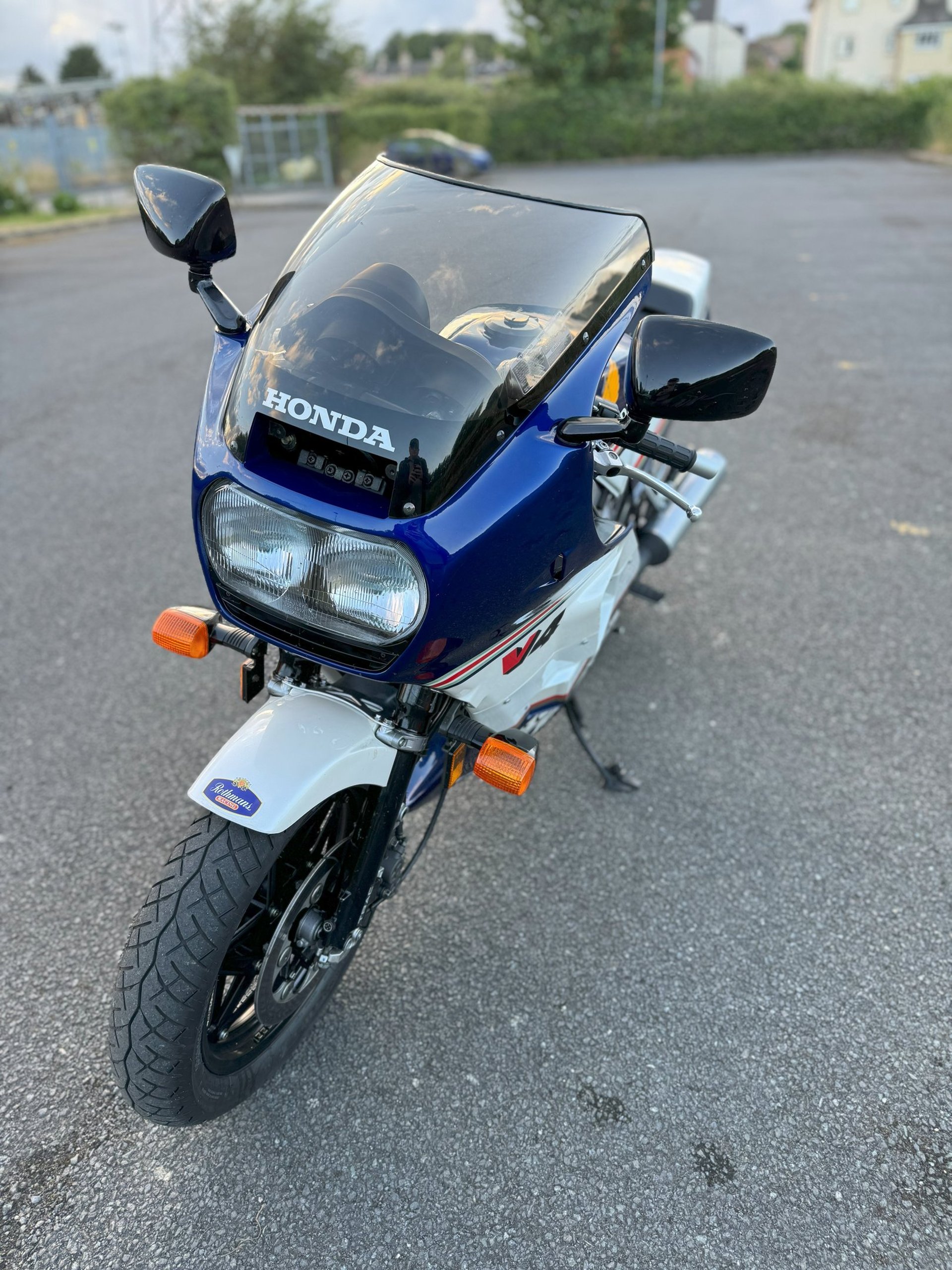
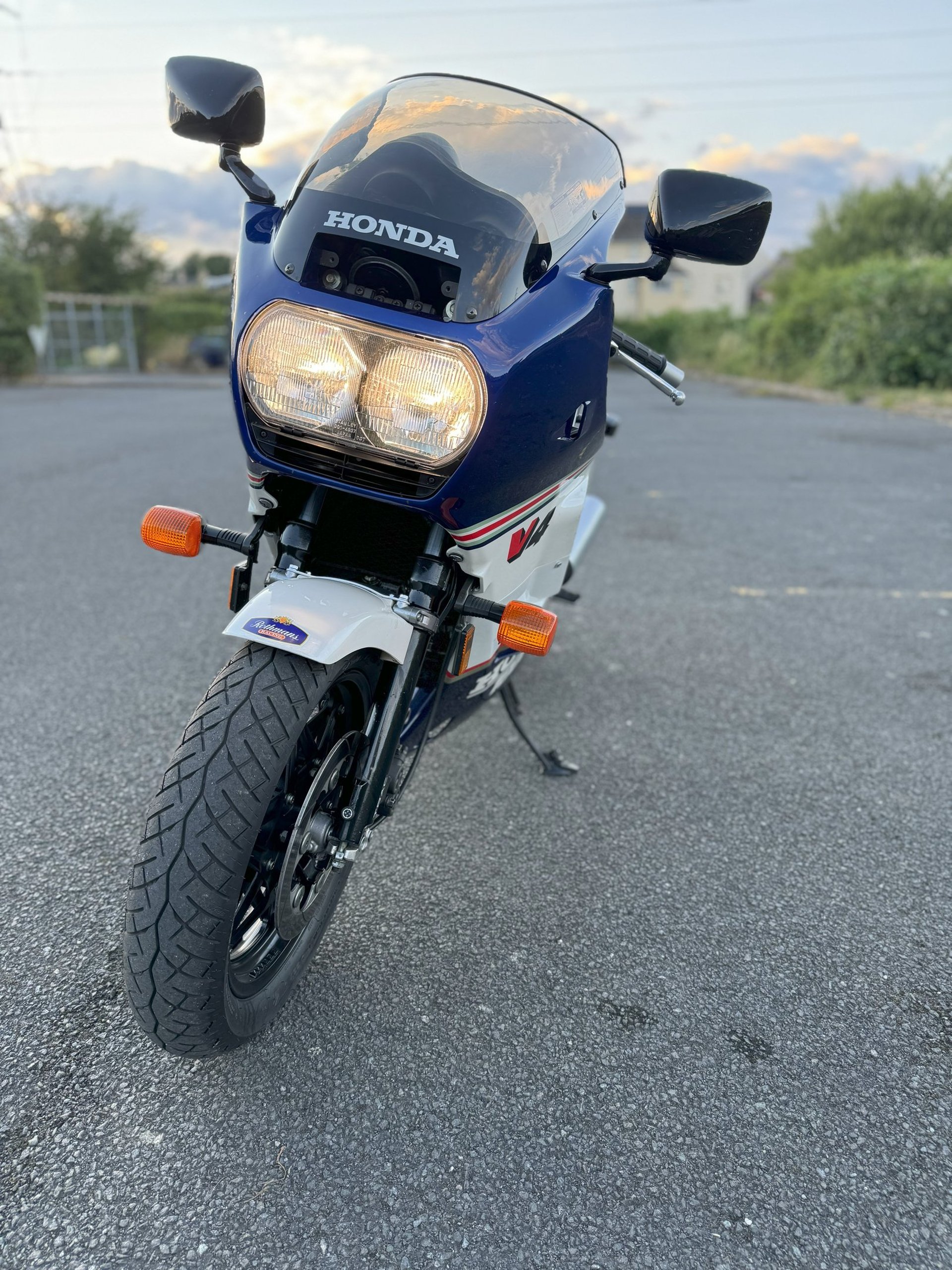
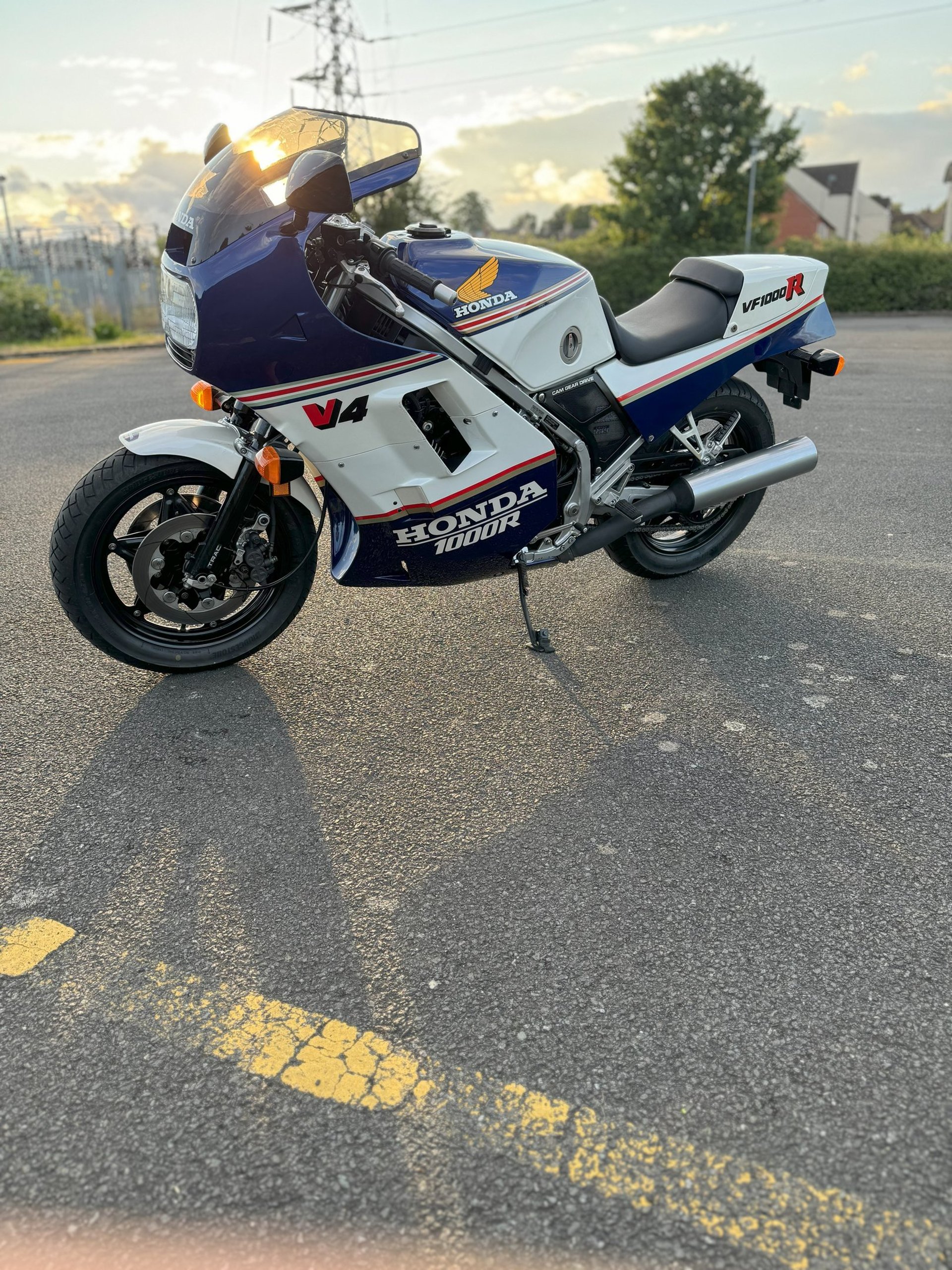
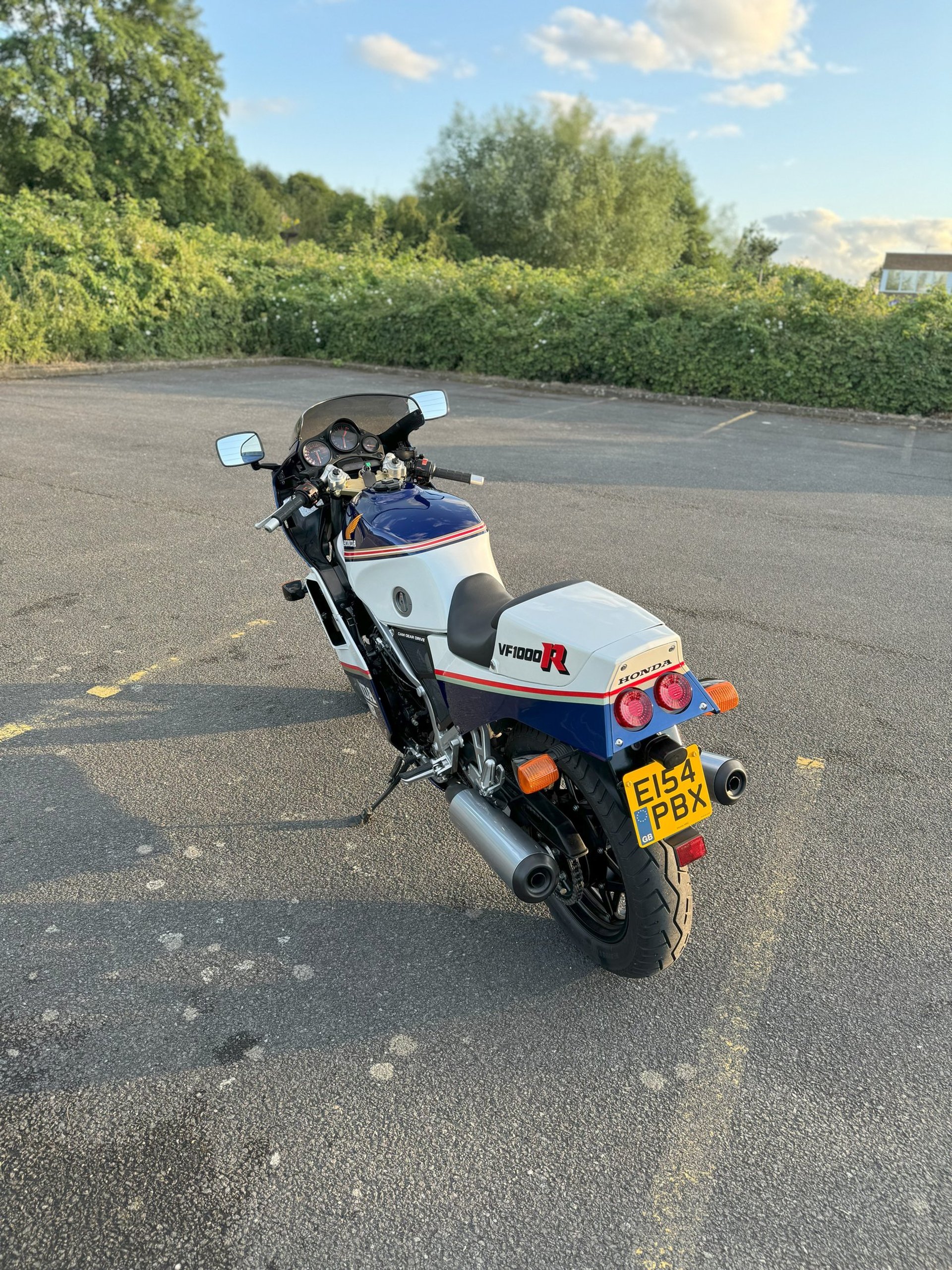
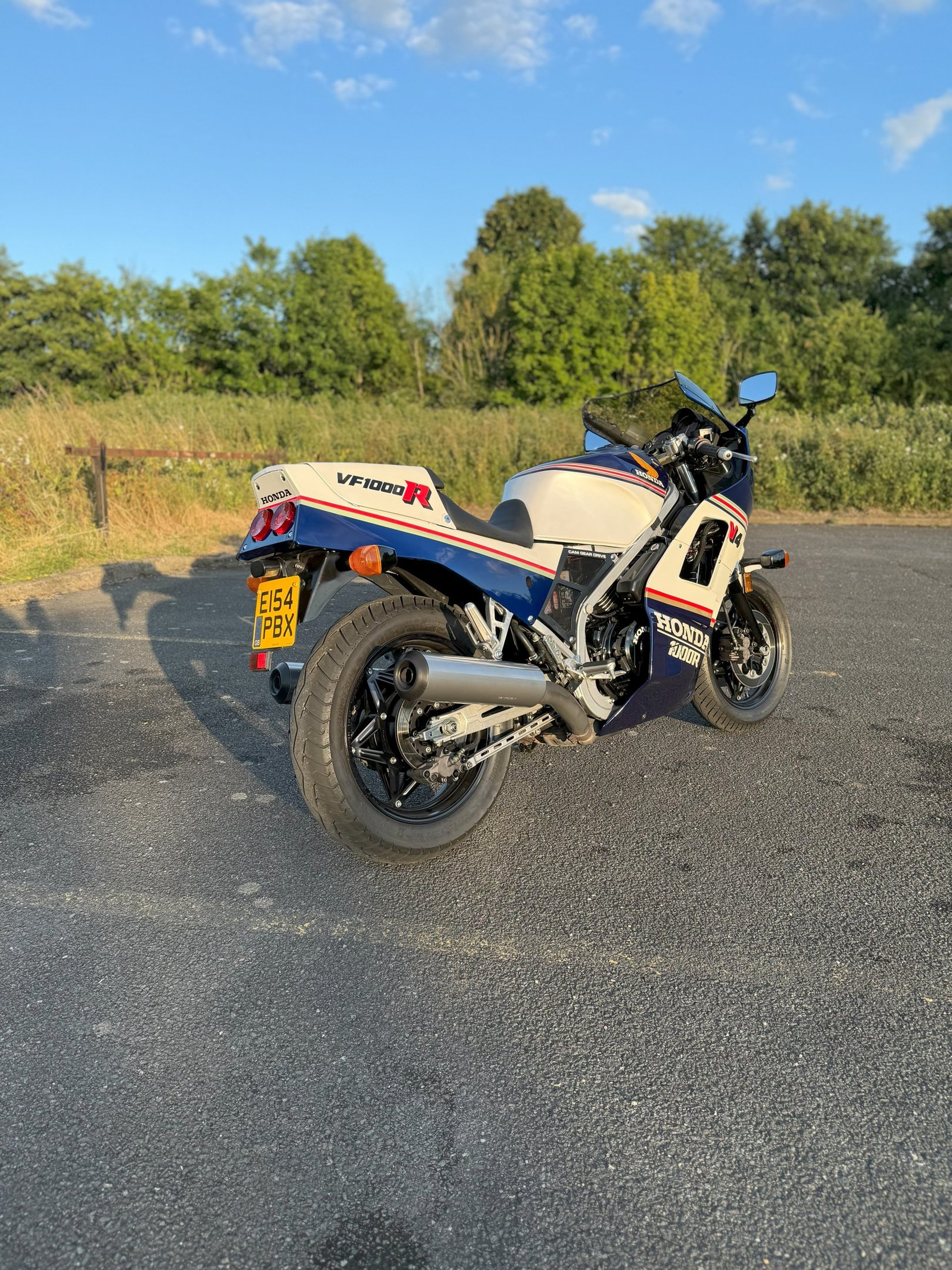
The Honda VF1000R is one of those motorcycles that instantly transports you back to the mid‑1980s, when endurance racing influenced road bikes and manufacturers weren’t afraid to build something bold and uncompromising. Released in 1984, the VF1000R was Honda’s halo machine – expensive, heavy, over‑engineered, and unmistakably purposeful. With its gear‑driven cam V‑four, aluminium frame, and race‑inspired bodywork, it was clearly aimed at riders who valued engineering substance over outright fashion.
Today, the VF1000R has become a cult classic. It may not have dominated racetracks, but its presence, sound, and mechanical character still command respect in any retro motorcycle gathering.
Drive train
At the heart of the VF1000R is a 998cc, 90‑degree V‑four engine – a layout Honda was heavily invested in at the time. The standout feature is its gear‑driven camshafts, which deliver a distinctive mechanical whine that’s as much a part of the bike’s identity as its exhaust note.
The engine produces around 113 bhp, which was strong for the era, though the bike’s considerable weight meant outright performance wasn’t class‑leading. Power delivery is smooth and linear, with a solid mid‑range rather than brutal top‑end rush. It feels more like a refined endurance racer than a peaky superbike.
Cooling is handled by a large radiator and oil cooler, and overall the engine has a reputation for durability when properly maintained. Regular servicing is essential, but Honda’s typically conservative engineering means the VF1000R can rack up serious mileage even decades later.
Ride
Riding a VF1000R is a reminder of how much superbikes have evolved – and how much character has been diluted along the way. The bike feels long, low, and substantial. At low speeds, its weight is very apparent, especially in tight manoeuvres. Once moving, however, the chassis settles and becomes surprisingly stable.
The aluminium twin‑spar frame gives the bike a planted feel, particularly in fast sweepers, where it feels calm and confidence inspiring. Steering is slower than modern machines, but predictable. This is a bike that rewards smooth, committed inputs rather than aggressive flicking.
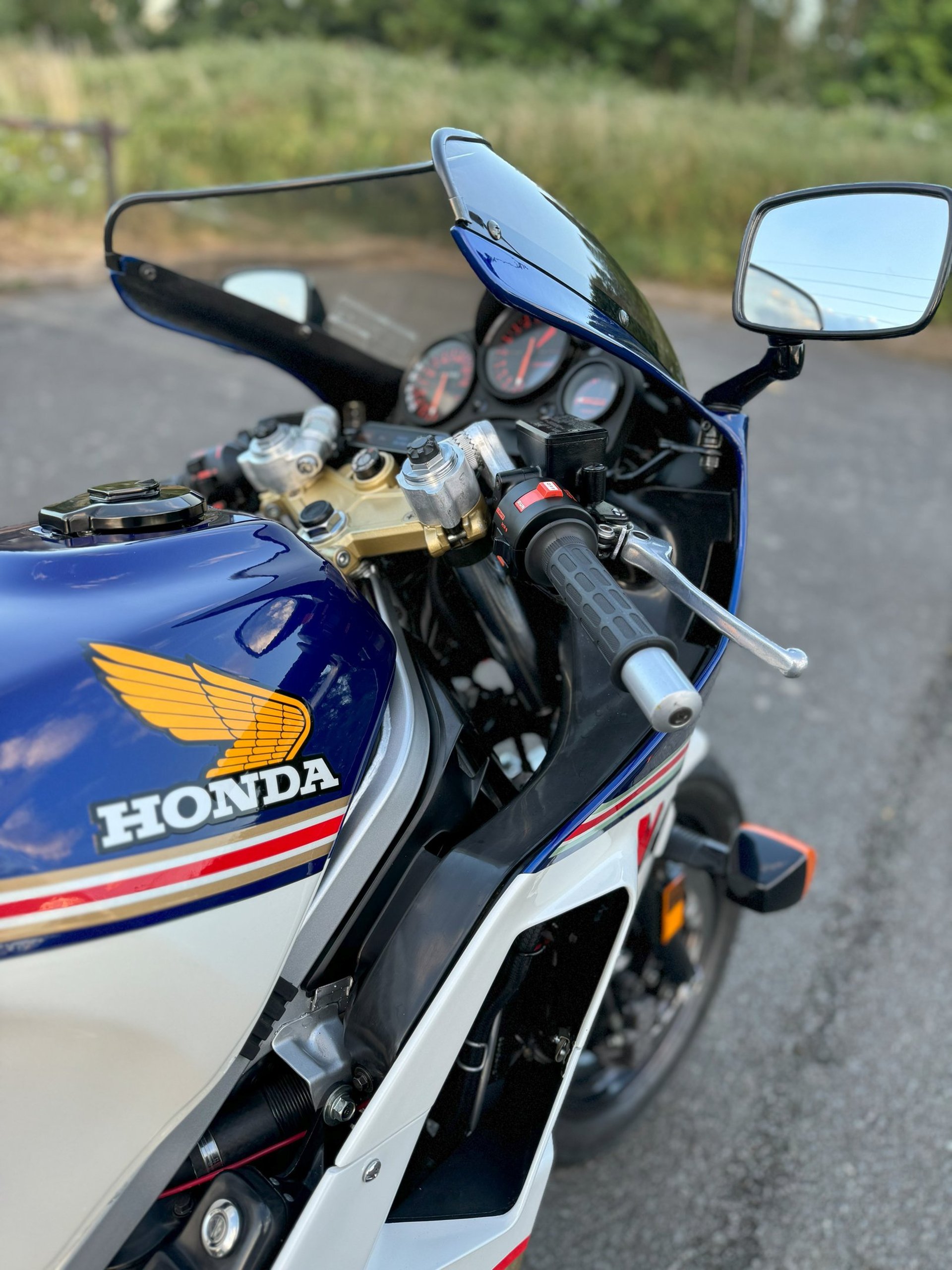
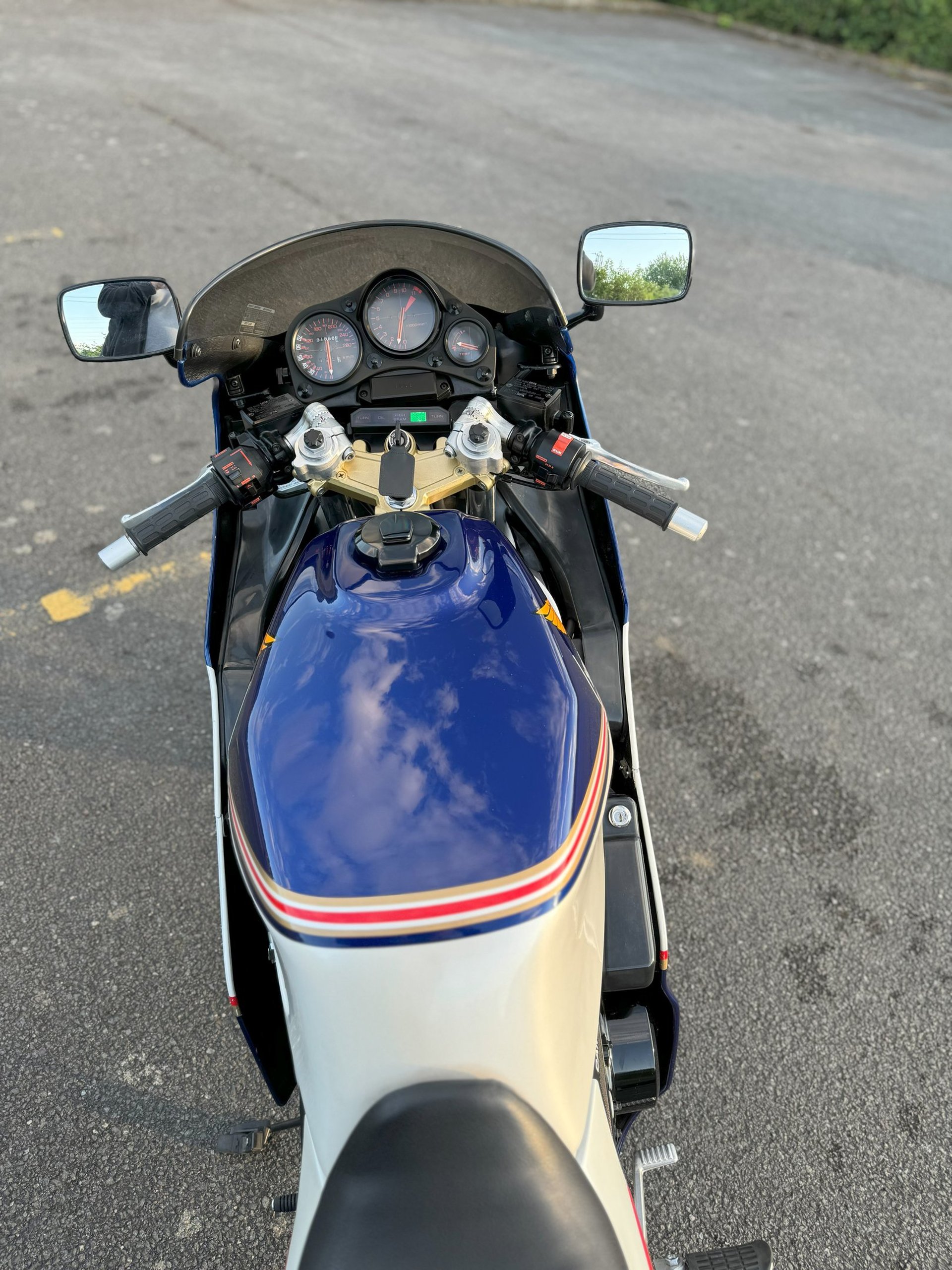
The riding position is unapologetically sporty by 1980s standards: low clip‑ons, a long reach to the bars, and rear‑set pegs. It’s not uncomfortable, but it reminds you that this was built with racing intentions, not commuting convenience. On open roads, the VF1000R comes into its own, delivering a sense of mechanical involvement that modern bikes rarely match.
Conclusion
The Honda VF1000R isn’t a motorcycle for everyone – and it never was. It’s heavy, complex, and demands respect from its rider. But for those who appreciate engineering ambition, V‑four character, and classic endurance‑racer styling, it offers something truly special.
As a retro ride, it represents a fascinating chapter in Honda’s history: a time when the company pursued technical excellence almost obsessively. The VF1000R may not wear the fastest lap times, but it delivers something far more enduring – presence, personality, and a riding experience that feels genuinely mechanical and alive.
Your motorcycle.
Your story.
Thoughtfully presented.
© 2026. All rights reserved. NBITS Digital Solutions Limited t/a RetroRide
Registered in England and Wales Company Number: 17157588
Registered office: 22 St. Georges Street, Stamford. PE9 2BU. Lincolnshire. UK.


You didn’t come this far to stop here!